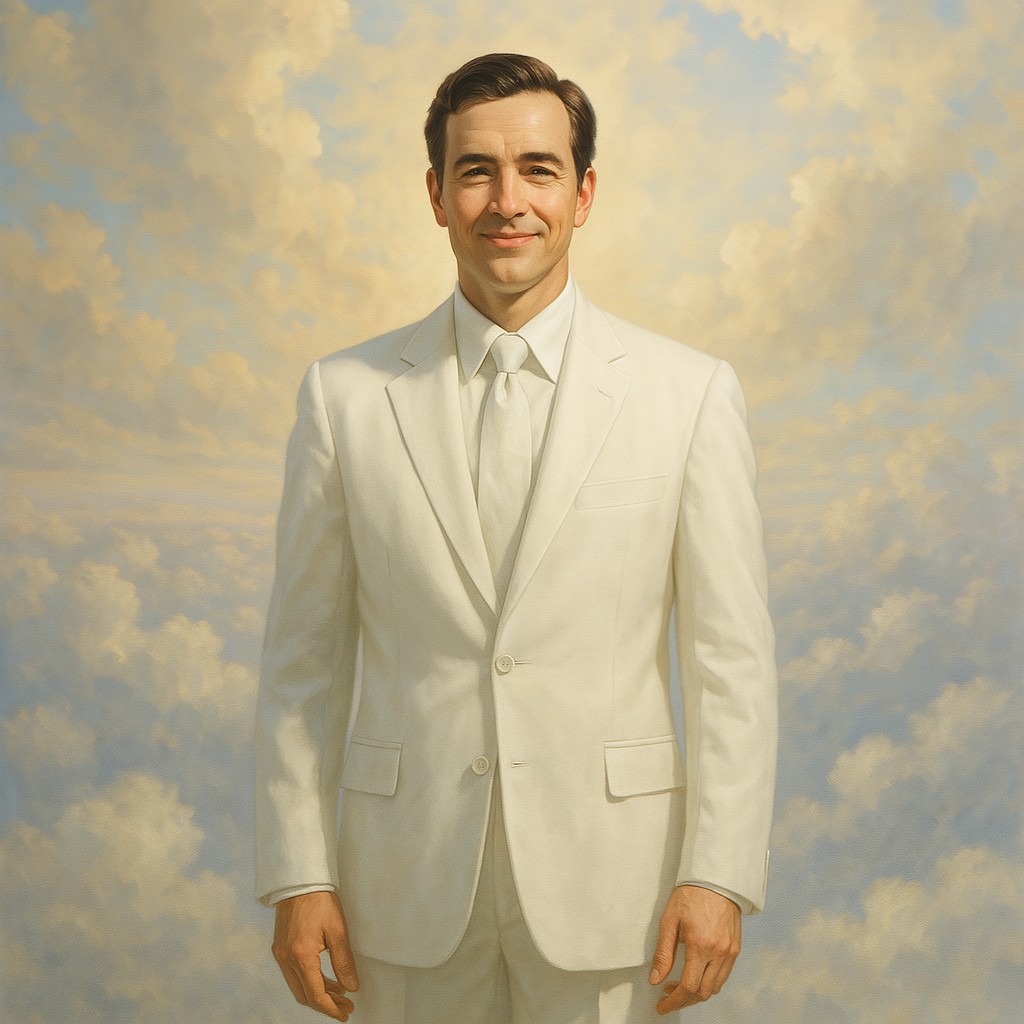
Imagine standing before the gates of Heaven, clutching a golden ticket that grants you entry into God’s eternal banquet. Yet there’s one condition: you must arrive wearing a dazzling white suit, absolutely spotless, and pristine. In the language of the Catholic faith, that suit represents your soul, baptized in grace, clothed in Christ’s righteousness, and kept free from the blemish of sin.
From the earliest days of the Church, Christians have looked to Scripture’s promise that “those who have washed their robes and made them white in the blood of the Lamb” will stand before God’s throne (Revelation 7:14). Baptism gives us this initial white garment of grace, but the journey doesn’t end there. Every choice, word, and thought either preserves the suit’s brilliance, risks leaving a stain, or worse, violates the integrity of the fabric.
Mortal sins, grave violations of God’s law, are like spilled wine that threatens to ruin the fabric entirely. Without sincere repentance through the Sacrament of Reconciliation, such stains cannot only bar us from the banquet hall, it can strip us of the suit for all eternity. Yet even venial sins, small compromises in charity or moments of selfishness, leave subtle smudges on our spiritual attire.
This is where Purgatory, the Church’s “dry cleaner of souls,” comes into view. Rather than a second-class waiting room, Purgatory is a merciful workshop where God allows us to scrub our soul clean. Like an expert cleaner treating delicate linen, Divine Providence carefully lifts every mark, so we emerge flawless. When we die outside the state of grace, we can trust that Divine Providence orders even hardships for our deeper good and for the glory of His Kingdom. Purgatory allows us, through prayers and surrender to the Father’s care, the ability to lead us back, step by step, into the purity and fullness of heaven. St. Catherine of Genoa described this purification as an “ardent fire of love” that transforms remnants of wounded pride, jealousy, or impatience into pure devotion.
Why does Purgatory exist? Because God’s justice demands holiness, and His mercy provides the means to attain it. Rather than eternal damnation of anyone for minor stains, He offers us a path of healing. In this life, we cooperate by praying, performing acts of penance, frequently receiving the Eucharist, and going to Confession. These practices strengthen our garments against defilement and often spare us lengthy purification later.
When we participate in the sacraments, we renew the grace that clothes us. The words of absolution in Confession re-stitch torn seams. Prayer and almsgiving apply spiritual detergents that remove blemishes of self-centeredness. And our daily struggles, offered up in love, become the gentle scrubbing that polishes our hearts.
On judgment day, you want your suit to glisten with unbroken purity! Because we may face judgment in an unpure state, we can still have the confidence of knowing that, if a stray mark remains, Divine love allows us to set it right so we can eventually receive our golden ticket.
Embrace the golden ticket of Heaven by treating your soul like the precious white suit it is. Keep it spotless through constant prayer, sacramental life, and acts of charity. And if you should falter, trust the Church’s loving promise of Purgatory’s cleansing fire. In the end, you’ll stand boldly before the King, unashamed, adorned in perfect white, and ready to rejoice forever in His presence.
If this is my last post, I want all to know there was only one purpose for all that I have written; to have made a positive difference in the lives of others.
Anthony “Tony” Boquet, a Modern Solutionary, Certified Professional Business Coach, and the author of “The Bloodline of Wisdom, The Awakening of a Modern Solutionary” and “The Passion, Death, and Resurrection of Jesus Christ, A Devotional Timeline”