
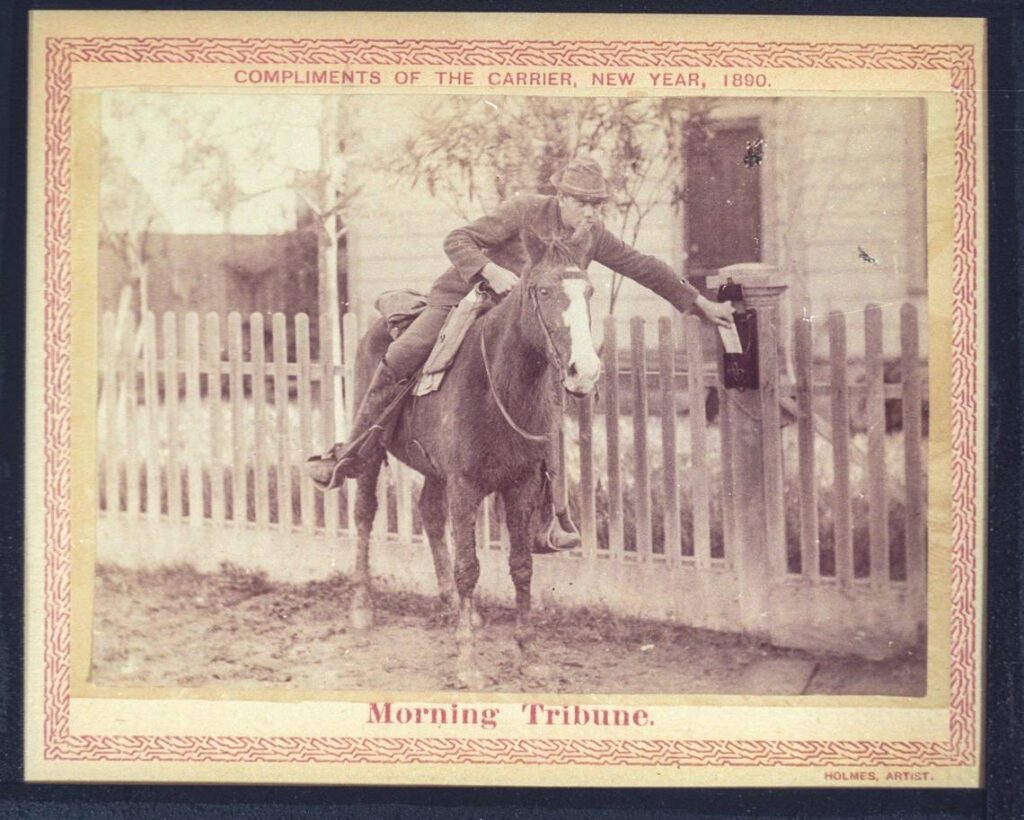
Long before the U.S. Postal Service emerged as a federal institution, daring riders of the Pony Express carried letters on horse-back across the frontier. From 1860 to 1861, that relay covered nearly 2,000 miles in about ten days, blazing a trail for a national mail network. Over the next century and a half, the Post Office evolved into a cornerstone of American commerce and connection, delivering billions of letters at ever-lower real costs. But in today’s digital age, each new price increase risks pushing traditional mailers toward screens and private couriers, spelling a rapid end for First-Class letters as we know them.
A 7.4% Hike to 78¢: Desperation or Doom?
On July 13, 2025, the cost of a First-Class Mail Forever stamp jumped from 73¢ to 78¢. This 5-cent rise represents a 7.4 percent increase intended to help close the USPS’s yawning budget gaps. Because the Postal Service depends almost entirely on postage and service revenue, rather than taxpayer dollars, each rate adjustment is pitched as a necessary measure to offset rising labor, transportation, and retirement-benefit costs. Yet with every penny added to the price of a letter, more customers flee to digital substitutes, eroding the very revenue this policy aims to protect.
Price Sensitivity and the Vanishing Volume
Consumers and businesses alike are highly sensitive to postage fees. Nonprofits that rely on mail-driven fundraising, small enterprises mailing invoices, and everyday households who send greeting cards all react when rates climb. Over the past decade, First-Class Mail volume has plummeted by roughly 40 percent, an exodus accelerated by successive price hikes. As stamp prices inch upward, more mailers swap paper statements for e-bills, choose PDF attachments over envelopes, or consolidate shipments with private couriers offering flat-rate services.
A Deepening Fiscal Freefall
USPS first recorded a large loss in 2001, about $1.7 billion, as mail volumes dipped during the early 2000s recession. It recovered with surpluses through 2006, but then the Postal Accountability and Enhancement Act of 2006 forced the Service to prefund retiree health benefits at roughly $5.4–$5.8 billion per year. That mandate pushed USPS back into annual deficits, beginning with a $5.1 billion loss in 2007, and has driven red ink ever since.
In fiscal year 2024, USPS reported an operating loss of $9.5 billion, driven by collapsing mail volumes and fixed network expenses. Sorting plants, delivery vehicles, and a sprawling rural network sustain high overhead, even as fewer letters flow through the system. Attempts to bridge deficits through rate increases create a negative feedback loop: higher rates suppress volume; reduced volume worsens revenue shortfalls and widening losses spur yet another price hike.
Digital Platforms as Successors
As First-Class letters dwindle, digital communication channels absorb the slack. Email remains the default for personal and business correspondence, while secure messaging apps and e-billing portals satisfy demands for speed, cost savings, and convenience. Government agencies, utilities, and financial institutions increasingly mandate digital delivery for statements, notices, and tax documents, further marginalizing paper mail.
Private Logistics: The New Postal Leaders
For the remaining physical deliveries, private logistics giants have stepped in. FedEx, UPS, DHL Express, and Amazon Shipping continue to expand capacity for parcels and expedited letter services. Hybrid-mail providers allow businesses to upload digital documents that are printed and inserted into envelopes before being handed off to private carriers. This model undercuts traditional USPS monopoly routes, offering tailored, on-demand mailing solutions at competitive rates.
The USPS Pivot to Parcels
Recognizing the inevitable decline of its First-Class letter franchise, the Postal Service is repositioning itself as a parcel-centric logistics operator. Investments in sorting machinery, tracking systems, and last-mile partnerships aim to capture a share of the booming e-commerce market. Yet even this strategic pivot cannot fully offset the revenue gap left by a vanishing letter business.
A Niche Future for Hand-Written Mail
Physical letters are fast becoming a luxury, a way to make an impression rather than a staple of communication. In homes and offices alike, “snail mail” will survive as an artisanal gesture: wedding invitations, thank-you cards, and personal notes. Meanwhile, bulk mail continues to be outsourced to the most efficient, market-driven networks. The age of universal First-Class letter delivery is drawing to a close, giving way to privatized, digital, and parcel-focused alternatives.
It will not be long before the institution which started on horseback rides off into the sunset.
If this is my last post, I want all to know there was only one purpose for all that I have written; to have made a positive difference in the lives of others.
Anthony “Tony” Boquet, a Modern Solutionary, Certified Professional Business Coach, and the author of “The Bloodline of Wisdom, The Awakening of a Modern Solutionary” and “The Passion, Death, and Resurrection of Jesus Christ, A Devotional Timeline”