We are human; thus, we can choose to do stupid things. Sometimes we have fun doing them, rationalize that I am not hurting anyone, and it can feel like a great experience…until reality happens in the form of consequences to you and others. At that point, it’s too late…that is until you are presented with the next similar opportunity to make the right choice.
It’s in those less-than-stellar moments our three deeply interconnected, self-conscious emotions of errors kick in, often arising from our actions and their perceived consequences. They are each very different, but many people, even the “professionals”, get the three confused.
First is Guilt, (I did something bad!) the feeling of remorse for a failed responsibility for a specific action that we believe was wrong or caused harm. It often motivates us toward reparation; apologizing, making amends, restoring trust. Guilt is usually connected to following the law, moral, and ethical values.
Regrets rise due to an unwanted outcome or missed opportunity (“I wish I’d done things differently”). We wish we could change a past action or decision. Regret is a great spur for learning, adjusting future decisions, refining judgment. It can be tied to guilt when we feel responsible for an outcome, we had control over and can be moral but also purely pragmatic, about lost chances or unintended consequences.
Shame is a personal reflection when we fail to live up to moral, ethical, or legal expectations. It targets our self-perception (“I’m a better person than that!”). It’s not just about what we did, but about who we became through our actions, especially in the eyes of those who matter most in our lives. Healthy shame forces us to act differently; in a manner that others can publicly be proud of. Unhealthy shame may require counseling so that the person can be shown they are not fundamentally flawed or inadequate as a person. This is common in people with addictions; they need help.
These emotions are connected because they all involve a personal self-evaluation when we make errors in judgement or choose to act inappropriately. They can influence our future behavior and self-identity, often prompting us to reflect and, ideally, grow from our experiences.
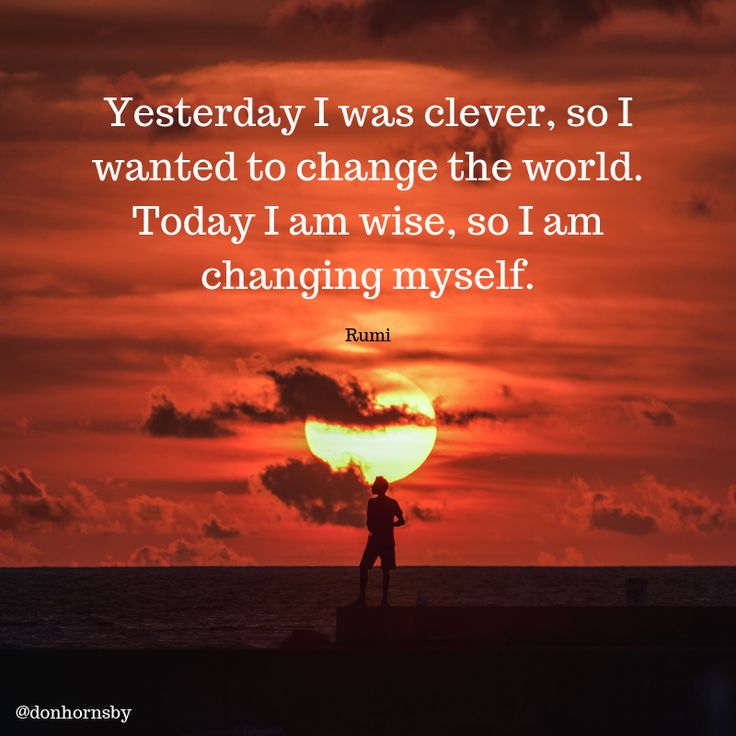
As for the single most useful lesson, many would argue that it is the importance of self-awareness and self-forgiveness. Understanding and accepting our flaws, learning from our mistakes, and forgiving ourselves can lead to profound personal growth and inner peace.
If this is my last post, I want all to know there was only one purpose for all that I have written; to have made a positive difference in the lives of others.
Anthony “Tony” Boquet, Certified Professional Business Coach, A Modern Solutionary, the author of “The Bloodline of Wisdom, The Awakening of a Modern Solutionary” and “The Passion, Death, and Resurrection of Jesus Christ, A Devotional Timeline”